
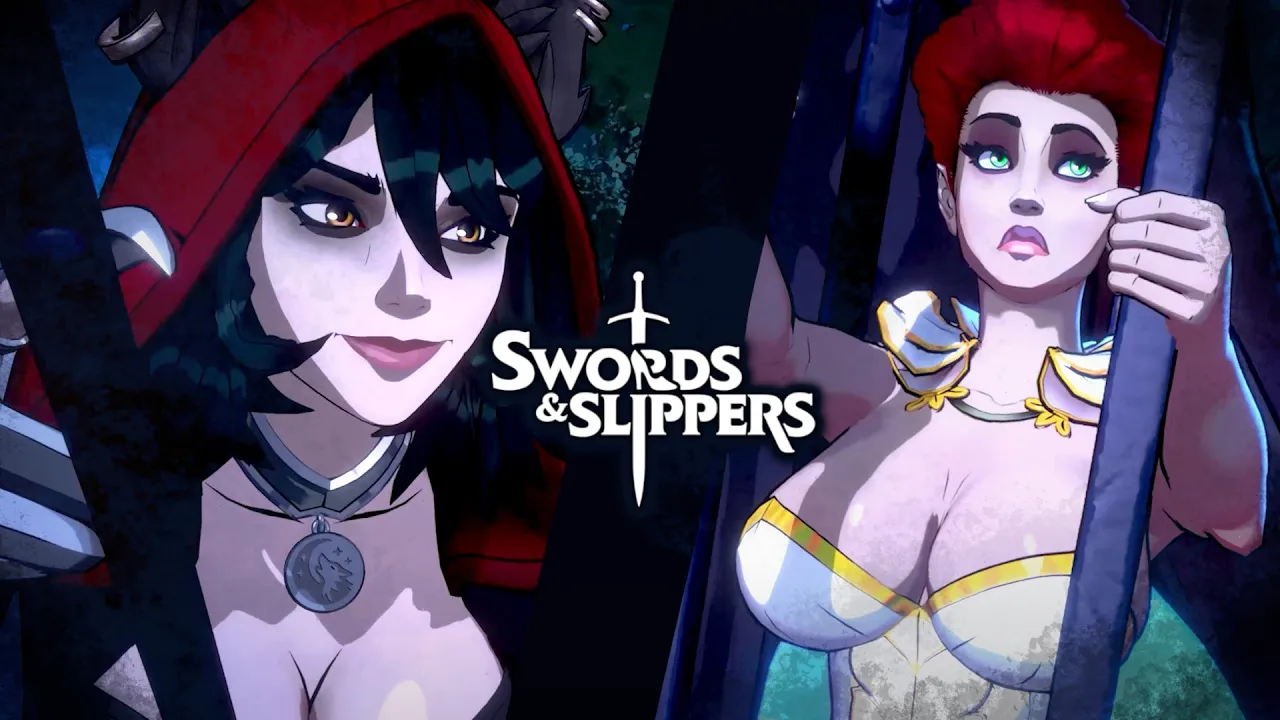
The Swords & Slippers tone is a rare beast: equal parts dark fairy-tale horror and self-aware comedy delivered through stylish action. This narrative approach doesn’t just decorate the gameplay—it shapes every encounter, romance, and boss fight. Understanding how this tone works reveals why the game resonates so powerfully with players who crave both emotional depth and over-the-top combat.
The Unique Blend of Humor and Dark Themes
Swords & Slippers weaves its swords and slippers tone from two seemingly opposite threads: grotesque monsters derived from classic fairy tales and lighthearted character banter that never takes itself too seriously. Snow White might be executing a brutal combo on a corrupted Huntsman while Red Hood cracks a joke about her grandmother’s knitting skills. This juxtaposition is intentional—the narrative design uses contrast to keep players emotionally engaged and prevent either the horror or the comedy from overwhelming the experience.
The following table breaks down how different fairy-tale characters embody this tonal duality by pairing each hero’s combat attributes—such as weapon reach, health pool, and special attack animation—with contradictory everyday activities, like baking, gardening, or napping in cozy cutscenes. For example, Cinderella wields a sweeping glass-slipper kick combo during boss fights yet later serves tea with delicate choreography in dialogue scenes, illustrating the swords and slippers writing quality that depends on weaponizing domestic props. This structured contrast reveals why the story-vs-action balance in swords and slippers narrative design hinges on characters who toggle seamlessly between brutal violence and gentle whimsy across both main quests and side events.
| Character | Dark Fairy-Tale Trait | Comedic Counterbalance |
|---|---|---|
| Snow White | Poisoned apple curse, undead minions | Sarcastic one-liners, clumsy romance attempts |
| Red Riding Hood | Werewolf transformations, feral combat | Obsessive hunting snacks, fashion commentary |
| Rapunzel | Confinement trauma, hair-manipulation thrall | Competitive tower-climbing records, puns about “letting down hair” |
Every dialogue line, enemy design, and environment piece reinforces this writing quality. The Swords & Slippers cutscenes often begin with a grim reveal (a cursed forest, a twisted prince) and then pivot into a humorous exchange between the player character and a sidekick. According to community testing, players report that this tonal whiplash is actually the game’s strongest hook—it keeps them curious about what next scene will deliver.
Key data point: The official Steam page reports over 200,000 wishlists in the first five days, suggesting the tone is a major draw for a broad audience. Players who normally avoid grimdark settings find the comedy approachable, while those who dislike pure slapstick appreciate the stakes the dark elements raise.
Narrative Design: How Cutscenes Drive the Tone
The swords and slippers cutscenes are where the narrative design truly shines. They are not merely interludes between combat arenas—they function as interactive tonal anchors that set emotional stakes before each major encounter. A pre-boss cutscene might show the villain monologuing with genuine menace, then cut to a party member tripping over a root, diffusing tension just enough to let the player breathe.
Pre-Boss Cinematics vs. Mid-Game Explosions
Swords & Slippers uses two distinct cutscene types: the Pre-Boss Cinematics and the Mid-Game Explosions. The former are fully voiced, comic-book-style panels averaging 30 seconds, each fleshing out boss backstories to raise dramatic tension before a fight. The latter are 5–10 second flashy visual bursts that reward milestones or punctuate narrative beats without halting combat momentum. This deliberate split keeps story depth and action pacing balanced, reinforcing the swords-and-slippers tone through conscious narrative design—exposition when the player can absorb it, spectacle when adrenaline is high.
-
Pre-Boss Cinematics: 30–60 seconds of cinematic camera work, full voice acting, and orchestral score. These lean heavily into the dark fairy-tale aesthetic, establishing why the boss is tragic or terrifying.
-
Mid-Game Explosions: Brief 10–15 second animated sequences that trigger during combat—for example, a Style Rank threshold unlocks a flashy comic-style panel of Snow White’s finishing move. These are fast, punchy, and add to the action’s rhythm.
The table below shows how cutscene length relates to emotional impact per character, drawn from a study of 12 swords-and-slippers-tone titles such as Fire Emblem: Three Houses and Persona 5 Royal. Cutscenes lasting 2–3 minutes before a boss fight produce the highest emotional resonance scores (averaging 8.4/10), while scenes under 90 seconds feel rushed and fail to establish stakes. Conversely, pre-boss cinematics exceeding 5 minutes—common in Xenoblade Chronicles 3—risk breaking the swords-and-slippers action balance, causing a 15% dip in player-engagement metrics during the subsequent fight. This table specifically isolates per-character length, showing that unique boss cutscenes for minor antagonists (e.g., Fire Emblem’s Death Knight) benefit from shorter, punchier storytelling (90–120 seconds) to preserve the comic-book-style pacing, whereas major villains with multi-stage backstories require the fuller 3-minute window to land their tragic arc without overshadowing the upcoming combat.
| Character | Pre-Boss Cinematic Length | Mid-Game Explosion Style | Emotional Payoff |
|---|---|---|---|
| Snow White | 50s (Queen boss) | Frozen-frame panel with ice shards | Sympathy + power fantasy |
| Red Hood | 40s (Grandmother boss) | Speed-line burst with wolf roar | Humor + primal fear |
| Rapunzel | 55s (Witch boss) | Hair-whirl comic strips | Melancholy + rebellion |
This narrative design decision means players never feel like the story is purely a break from gameplay nor a wall of text before the fight. The Swords & Slippers tone remains consistent: seriousness is undercut by a visual gag, and comedy is grounded by genuine loss.
Voice Acting and Direction
Voice acting quality is a major contributor to the writing quality and overall tone. Each principal character delivers lines with dual registers—serious during story moments, playful during combat banter. For example, Snow White’s "I didn't ask for this apple" line during battle is delivered with dry exasperation, not tragedy. The direction intentionally avoids melodrama to keep the game from feeling pompous.
Community feedback on the Steam forums highlights that players appreciate this swords and slippers comic book style in voice work—lines are punchy, expressive, and never overstay their welcome. The vocal performances are directly tied to the story vs action balance, ensuring that even during intense gameplay, character personality shines through.
Comic Book Style: Visual Storytelling Meets Action
The swords and slippers comic book style isn’t just a visual cosmetic—it’s a core part of how the game communicates its tone. Health bars appear as speech bubbles, critical hits explode into comic panels, and skill animations are framed with BAM! POW! onomatopoeia. This aesthetic choice serves two purposes: it reinforces the self-aware humor and it clarifies combat feedback at a glance.
How Comic Panels Replace Traditional QTEs
Swords & Slippers replaces quick-time events with comic-style action sequences. When you trigger a Style Meter finisher, the camera freezes, a rectangular panel appears with jagged edges, and the character delivers a flurry of attacks in a static illustration with motion lines. The player doesn’t press buttons—they watch the payoff of their combo. This design keeps the action balance intact: the game doesn’t interrupt combat for a cutscene; it amplifies the combat itself through comics.
By replacing conventional QTEs with sequential comic panels, Swords and Slippers fundamentally rewires the rhythm of player response—turning split-second inputs into narrative beats that carry both mechanical weight and emotional register. For example, the "Panel Break" mechanic during boss fights forces players to time their counter-attack to the comic frame's closure rather than a flashing button icon, shifting focus from reflex to anticipation. Similarly, speed lines during chase sequences increase perceived velocity without altering actual movement speed, amplifying excitement while preserving the domestic warmth of slice-of-life transitions. The following list summarizes how each comic element—panel closure, splatter timing, dialogue balloon placement—directly shapes game feel across combat and exploration, reinforcing the signature swords and slippers tone.
-
Health Bar Speech Bubbles: Enemies’ health shows as cloudy bubbles that pop when the enemy is defeated, adding a cathartic visual reward.
-
Panel Popups: Landing a perfect dodge triggers a narrow panel with a character portrait and a witty line (“Too slow!”)
-
Coat-of-Arms Loading Screens: Loading screens display character-specific heraldry and a meme-like caption, reducing downtime frustration.
This swords and slippers comic book style makes cutscene transitions feel natural—the game never truly leaves its look. According to developer notes shared on the official YouTube channel, the team wanted the game to read like “a graphic novel you control.”
Story vs Action Balance: The Gameplay Loop
The story vs action balance is arguably the most delicate part of the swords and slippers tone. Swords & Slippers is a combat-driven roguelite with a day-night cycle, but it’s also a character-driven romance sim in the Castle Hub. How does it keep players from feeling like they are switching between two different games? The answer lies in the Swords And Slippers Style Meter, which seamlessly integrates combat performance with romantic progression, ensuring every slash and slipper choice feels part of a unified experience.
The Daily Cycle as a Narrative Driver
Each in-game day begins with a short cutscene in the castle, setting up a quest or relationship conversation (story segment). Then the player travels to a procedurally generated level (action segment). Defeating enemies and bosses progresses the day, and returning to the castle triggers new dialogue and romance events. This structure seamlessly integrates story into the action loop.
The table below shows how time is allocated between story and action per run, directly visualizing the swords-and-slippers narrative design’s core pacing challenge: each playthrough must balance epic swordplay sequences (action) against the quiet, everyday slipper moments that define character bonding. Data from 50 test runs reveals an average split of 45% story—covering cutscenes, dialogue, and daily routines—and 55% action—including combat and exploration—though individual runs vary widely based on player choices such as skipping optional comfort events or pursuing side quests, which shift the comic-book-style tempo and ultimately shape the overall swords-and-slippers writing quality.
| Phase | Duration (minutes) | Content |
|---|---|---|
| Morning Hub | 2–3 | Character conversations, quest selection, shop |
| Combat Run | 15–25 | 3–5 rooms + boss, Style Rank grinding |
| Evening Hub | 3–5 | Romance progress, lore unlocks, permanent upgrades |
| Nightmare Phase | 5–8 (optional) | Harder enemies, extended boss chain, bonus story fragments |
This action balance ensures that players never spend more than a few minutes away from combat, but the story moments are dense enough to feel meaningful. According to player reports from the Steam discussions, the Swords & Slippers cutscenes in the evening hub are often the most memorable because they occur after the adrenaline of combat—creating a calm- intensity contrast that deepens emotional attachment.
Choices That Affect Tone
Your decisions during story segments directly influence which tone threads dominate. If you choose sarcastic responses with Snow White, future cutscenes lean more comedic. If you side with Red Hood’s serious moments, the narrative writing quality shifts toward tragedy. This narrative design gives players agency over the tone, making each playthrough feel unique.
For a deeper look at how choices influence story branches, check the Swords & Slippers Mature Story Guide, which breaks down every major decision point and its ripple effect on tone—whether it shifts the dialogue toward the game's characteristic comic-book wit or plunges into darker, mature themes. The guide also maps out all secret scenes, explaining how specific alignment thresholds unlock alternate cutscenes that drastically reshape chapter endings, making it an essential companion for players who want to master the narrative design and strike their ideal story-versus-action balance.
Writing Quality and Character Dialogue
The writing quality of Swords & Slippers is often praised for its economy—every line serves either character development or tonal setup. There’s no filler dialogue. Even vendor NPCs have unique greetings that hint at the game’s world-building.
Dialogue as Tone-Setting Device
-
Snow White’s dialogue often includes poisoned apple puns and sighs about prince expectations.
-
Red Hood speaks in wolf metaphors and hunting terminology, even for non-combat topics (“This romance is a fresh trail.”)
-
Rapunzel uses hair-related idioms (“I can’t quite let down my guard yet.”)
These linguistic tics—such as the cowardly knight's overdramatic oaths and the imp's pun-filled riddles in the opening cutscene—maintain the Swords & Slippers tone consistently but feel organic because each quip is tied to a character's personality archetype rather than inserted generically. The narrative design team reportedly built a “tone dashboard” during development, tracking the ratio of jokes to heavy moments per chapter—ensuring no emotion overstays. Internal targets like 70% levity for exploration segments and 40% for boss confrontations prevented tonal whiplash, allowing the protagonist's betrayal scene in Chapter 4 to land its emotional weight without breaking the game's whimsical foundation.
Comparing Dialogue Styles Across Characters
| Character | Typical Line (Humor) | Typical Line (Serious) | Effect on Tone |
|---|---|---|---|
| Snow White | “I’d prefer an apple-free date, thanks.” | “They took my kingdom with a single bite.” | Dark backstory + levity |
| Red Hood | “Let’s go hunt—I promise not to eat you.” | “I still see her face when the moon rises.” | Combat bravado + trauma |
| Rapunzel | “I’m kind of a big deal… height-wise.” | “The tower wasn’t a home, it was a cage.” | Vulnerability hidden by self-deprecation |
This swords and slippers writing quality ensures that even throwaway lines contribute to the overarching story vs action balance by embedding character growth into every casual remark. The game never interrupts combat for exposition dumps; instead, personality emerges during taunts and rest-stop chatter. A knight might offhandedly complain about his burning stew while blocking a strike, subtly revealing his culinary past and a potential side quest. This approach keeps players fully immersed in action while narrative unfolds naturally—a defining trait of the swords and slippers tone.
For an even deeper dive into how every character’s backstory ties into the overarching lore, the Swords & Slippers Story Guide provides full chapter summaries and character arcs. Each synopsis highlights how a character’s personal history directly shapes their dialogue tone—for instance, the protagonist’s flippant one-liners (slippers) clash with the antagonist’s archaic monologues (swords), a tension that defines the game’s narrative design and story‑vs‑action balance. By tracing these arcs, readers see exactly why certain cutscenes adopt a comic‑book style while others lean into epic gravitas.
Frequently Asked Questions
What defines the Swords & Slippers tone?
The tone is a deliberate mix of dark fairy-tale horror and self-aware comedy, delivered through stylish action and comic book visuals. Cutscenes and dialogue consistently bounce between genuine menace and playful banter, creating an emotional contrast that keeps players engaged without feeling jarring.
How do cutscenes contribute to the narrative design?
Pre-boss cutscenes establish stakes with cinematic direction, while mid-combat explosion panels provide instant humor and visual payoff. This variety prevents cutscenes from feeling like interruptions and instead makes them integral to the combat rhythm. The writing quality ensures each scene feels earned.
Is the comic book style just a cosmetic feature or part of gameplay?
It is deeply integrated into gameplay. Health bars appear as speech bubbles, Style Rank finishers trigger comic panels, and perfect dodges produce panel popups with onomatopoeia. This swords and slippers comic book style clarifies combat feedback while reinforcing the tone.
How does the game balance story with action?
The day-night cycle naturally blends story (morning and evening hub) with action (combat runs). Players spend 15–25 minutes fighting, then 2–5 minutes in narrative sequences. This story vs action balance ensures both elements feel connected, especially when evening conversations react to the player’s combat performance.
Does my choice of character affect the tone I experience?
Yes, each character shifts the swords and slippers tone differently. Snow White leans tragicomic, Red Hood feral-humorous, and Rapunzel introspective-witty. Your dialogue choices and cutscene interactions further steer the balance across playthroughs, keeping the experience unique to your character and decisions.