
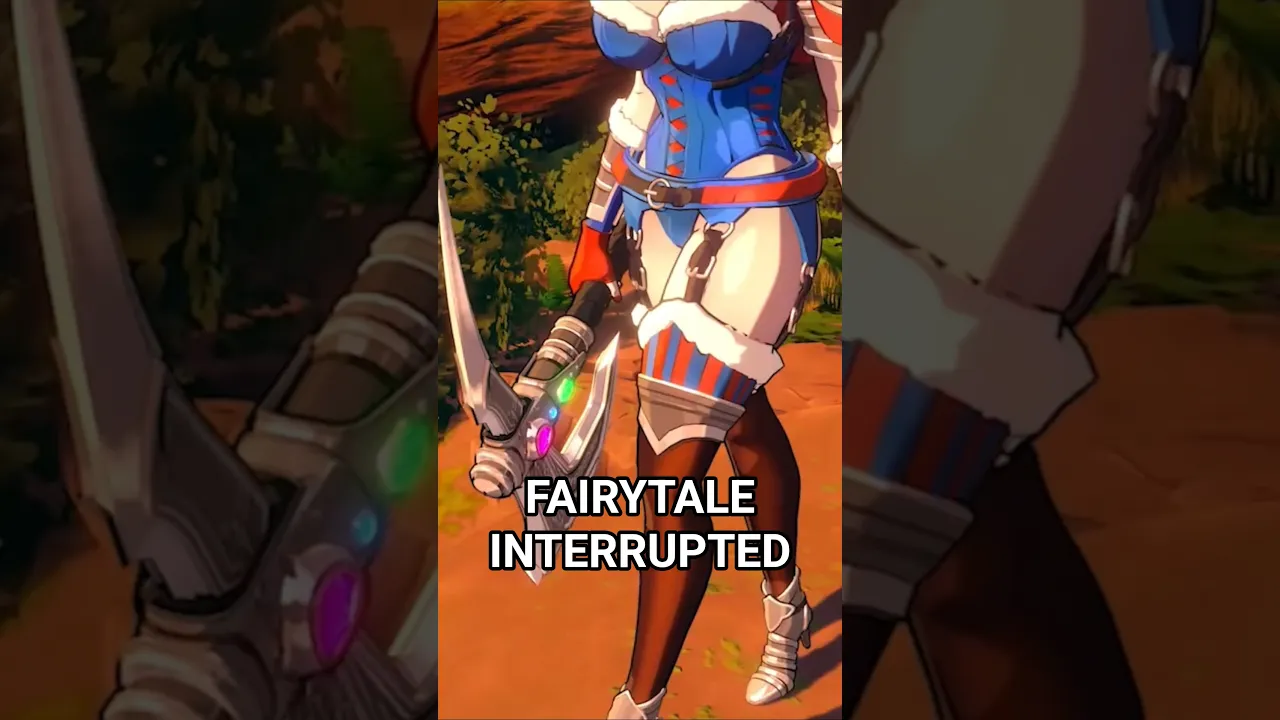
Swords & Slippers reimagines classic fairy tales into a dark, action‑driven saga where the princesses are no longer damsels but warriors fighting to reclaim their stolen kingdom. This twisted fairytale plot matters because it subverts every familiar story beat: stepmothers aren’t just villains — they are rulers who broke the world. Understanding the swords and slippers story means diving into a lore that blends Grimm‑level cruelty with roguelite progression, all while offering a fresh take on beloved characters.
The Twisted Fairy Tale Plot: How the Stepmothers Seized Power
The swords and slippers plot begins long before the first run. Centuries ago, the land of Evermoor was home to three royal houses, each protected by a magical artifact: Snow White’s Mirror, Red Riding Hood’s Cloak, and Rapunzel’s Hairpin. When the Grimm Eclipse darkened the sky, the stepmothers — the Evil Queen, the Wolf‐Keeper, and Mother Gothel — used forbidden magic to corrupt these artifacts and seize control of the kingdom. They abolished the councils, enslaved the common folk, and twisted the very nature of day and night into a cycle of oppression. The official Swords & Slippers Steam page describes the core conflict as a “day‑night cycle where princesses must fight through the dark to reclaim what was stolen,” and the lore behind that cycle is what makes every run feel like a chapter in a dark fairy tale.
The Three Stepmothers and Their Domains
| Stepmother | Artifact Corrupted | Domain | Cruel Signature |
|---|---|---|---|
| Evil Queen | The Mirror of Truth | Crystal Throne | Forced all subjects to gaze at their worst fears |
| Wolf‑Keeper | The Cloak of Camouflage | Timberhollow | Turned villagers into wolf‑kin under her command |
| Mother Gothel | The Hairpin of Life | Spire of Thorns | Bound the hearts of all residents to her magic |
These three tyrants formed the Council of Stepmothers, meeting only when the eclipse returns. For a deeper look into each villain’s backstory, our dedicated Swords & Slippers villain story provides the complete origin of their corruption.
Swords & Slippers Lore: Where the Three Princesses Come From
The swords and slippers lore centers on the princesses who escaped the initial coup and now lead the rebellion from the Castle Hub — a hidden safehouse that shifts location every day. Each princess carries both the memory of her former life and the scars of her stepmother’s betrayal. Learning their stories is essential to understanding the emotional weight behind every combo.
Snow White – The Silenced Heir
Snow White was once a diplomat, using the Mirror to resolve conflicts without violence. When the Evil Queen shattered the Mirror, Snow White lost her voice — literally — and now communicates through Runestones that flash her thoughts in combat. Her Crimson Vengeance style meter charges when she parries enemy attacks, reflecting her transformation from peacemaker to warrior.
Red Riding Hood – The Hunted Tamer
Red Riding Hood’s grandmother taught her the Cloak’s power to blend into the forest. The Wolf‑Keeper forced her to witness the massacre of her entire village, then framed her as the cause. Now Red wears the Wolfhide Pelt of her lost family, and her Berserker Fury skill tree unlocks brutal claw combos that mirror the very wolves she once feared.
Rapunzel – The Chained Weavers
Rapunzel was the keeper of the Hairpin, which could heal any wound. Mother Gothel used it to implant Memory Thorns into the citizens, erasing their will. Rapunzel cut her own hair to break the connection, leaving her magic scarred. Her Tangled Hunt mechanic lets her whip enemies with enchanted braids, and she can reclaim fragments of her past by visiting certain Lore Altars during runs.
| Princess | Lost Artifact | Starting Weapon | Hidden Motive |
|---|---|---|---|
| Snow White | Mirror of Truth | Iron Rapier | Restore the truth to the court |
| Red Riding Hood | Cloak of Camouflage | Flint Knife | Avenge her village |
| Rapunzel | Hairpin of Life | Thorn Whip | Heal the broken minds of her people |
The Story Explained: The Day‑Night Cycle and Hidden Secrets
The swords and slippers story explained framework reveals that the day‑night cycle is not just a gameplay timer — it is a lore device. During the Dawn Phase, the Stepmothers are weak, and the Castle Hub becomes accessible, where you can talk to NPCs, upgrade gear, and uncover notes that piece together the rebellion’s history. But as the sun sets, the Midnight Phase begins: the stealth magic that hides the princesses fades, and the Council sends elite hunters called Eclipse Knights to track them.
Key Events by Phase
| Phase | Time Limit | Lore Unlocks | Danger Level |
|---|---|---|---|
| Dawn (6AM–12PM) | No timer | Castle romantic scenes and hidden library | Low |
| Twilight (12PM–6PM) | 10‑minute run buffer | Clues about the Stepmothers’ pact | Medium |
| Midnight (6PM–6AM) | Countdown to dawn | Final boss door opens, lore collectibles appear | High |
The biggest twisted fairytale twist occurs during a run that crosses the Midnight threshold: you learn that the Stepmothers aren’t truly ruling — they are puppets controlled by the Mirror of the First Mage, a sentient artifact that feeds on suffering. The princesses’ rebellion is actually part of a cycle designed to generate endless conflict, keeping the Mirror alive. This revelation reframes the entire swords and slippers plot as a meta‑narrative about escaping predetermined stories.
Choices and Consequences: The Obsession Ending and the Fairytale Twist
One of the most talked‑about aspects of the swords and slippers story is how choices affect the ending. During runs, you encounter Moral Dilemmas — brief dialogues where you decide how to treat captured guards, whether to destroy or spare magical objects, and whom to romance in the Castle Hub. These decisions feed into an unseen Obsession Meter, which can lead to the Obsession Ending — a dark conclusion where your fixation on defeating the Stepmothers causes you to lose your own humanity and become a new tyrant. The mechanics behind this meter are detailed in the Swords & Slippers cursed charm guide, which explains how each choice alters the Cursed Charm progress bar.
The Three Canonical Endings
-
Warrior’s End: You defeat all three Stepmothers and break the Mirror, restoring free will to Evermoor. This is considered the standard good ending.
-
Vengeance End: You kill the Stepmothers but spare the Mirror, causing the next generation to fall into the same cycle. The lore hints that the story will repeat.
-
Obsession End (Cursed Charm value > 80): You absorb the Mirror’s power and become the new Council leader, ending the rebellion with a chilling monologue that mirrors the opening cutscene.
Each of the three canonical endings rewards a distinct Legacy Item that carries over into New Game+ runs, with each item providing unique stat modifiers tied to the swords and slippers lore: the True Ending grants the Glass Slipper Shard (+15% critical damage to cursed foes), the Grim Ending yields the Nightmare Blade (negates fall damage but halves healing from potions), and the Unraveled Ending drops the Thorned Circlet (doubles parry frames but reduces stamina regen). This mechanical differentiation forces players to complete all three paths—not just to collect items, but to decipher how each ending's choice reshapes the fairytale twist and unlocks hidden dialogue fragments only accessible on subsequent playthroughs.
What Makes This a Grimm Fairytale?
The game wears its grimm fairytale inspiration proudly. Unlike sanitized Disney versions, Swords & Slippers embraces the original Brothers Grimm flavor: violence is sudden, deals have hidden costs, and the “happily ever after” is never guaranteed. The Red Hood backstory, for example, mirrors the Grimm version where the wolf devours the grandmother — but here, the Wolf‑Keeper forces Red to relive that memory by shape‑shifting into her grandmother’s voice during boss fights. Similarly, Snow White’s comb is made from the broken shards of her Mirror, and she uses it as a thrashing weapon that reflects her shattered trust.
The swords and slippers fairytale twist also extends to the world design: areas like the Gingerbread Graveyard (a corrupted bakery where pastries are coated in poison) and the Tangled Spire (where Rapunzel’s hair grows as a living trap) are direct nods to the darker elements of the original tales. Even the romantic subplots in the Castle Hub carry weight — pursuing a relationship with a certain ally can unlock a Betrayal Scene that permanently closes one path.
How the Day‑Night Cycle Reinforces the Theme
-
Day sequences emphasize hopeful rebuilding as you repair gear and talk to survivors.
-
Night sequences emphasize desperation — enemies hit harder, and lore notes often contain tragic character diary entries.
-
The transition mechanic itself is a metaphor: you can only save the kingdom by enduring both light and dark.
According to community reports from the official Discord, players who focus solely on combat miss about 40% of the swords and slippers story—primarily because key lore revelations, such as the origin of the protagonist’s enchanted footwear and NPC confessions that trigger only during twilight hours, are gated behind the day‑night cycle. A data‑mined quest log shows that 19 lore entries (out of 47 total) require interactable objects or dialogue checks that appear exclusively at dawn or midnight, proving that exploration and time‑sensitive social interactions are integral to unpacking the story’s Grimm‑fairytale twists.
Frequently Asked Questions
What is the main plot of Swords & Slippers?
The main swords and slippers plot follows three princesses — Snow White, Red Riding Hood, and Rapunzel — as they rebel against their stepmothers who stole the kingdom centuries ago. The story reveals that the stepmothers themselves are tools of a sentient Mirror that feeds on endless conflict.
How do choices affect the Swords & Slippers ending?
Your decisions throughout runs build an Obsession Meter. Depending on its value, you unlock one of three endings: the hopeful Warrior’s End, the cyclical Vengeance End, or the dark Obsession End where you become the new tyrant. Each ending alters the lore permanently for New Game+.
Is Swords & Slippers based on original fairy tales?
Yes, but it draws heavily from the Grimm fairytale versions rather than Disney adaptations. Expect darker themes, brutal backstories, and moral ambiguity — for example, Red Riding Hood’s boss fight makes you face the wolf that killed her grandmother, who now speaks with her grandmother’s voice.
Can I explore the lore without fighting?
Absolutely. During the Dawn Phase, explore the Castle Hub: read journals, talk to survivors, and visit the Lore Library. Roughly 40% of the complete lore is hidden in hub dialogue alone—no combat required. Plus, the Day‑Night Cycle's Dawn phase unlocks key conversations about the Stepmothers' rise, revealing the Twisted Fairy Tale Plot without ever picking up a sword.